This is one of the most common questions we hear from Malaysian SME owners. You set up a Facebook page years ago, you have a few hundred followers, clients message you there — so do you actually need a website? Is it worth the money?
The honest answer is: it depends on what you are trying to achieve. But for most established businesses, a Facebook page alone is leaving money on the table. Here is why.
What a Facebook Page Does Well
A Facebook page is genuinely useful. We are not dismissing it.
It is free to set up, easy to update, and Malaysian SME owners are already comfortable using it. For businesses in F&B, retail, or services where you post updates, promotions, and photos regularly, Facebook gives you a direct channel to existing followers.
Clients can message you, check your hours, read reviews, and see your latest posts — all without any technical setup on your part.
If you are a hawker stall, a home-based business just starting out, or a sole trader testing whether there is demand for your service, a Facebook page may be all you need right now.

Where a Facebook Page Falls Short
You do not own it
This is the most important point that rarely gets discussed. Facebook can suspend, restrict, or change your page at any time. In 2021 and 2022, thousands of small business owners across Southeast Asia found their pages temporarily locked due to policy changes they did not understand. There is no customer service line you can call. No recourse.
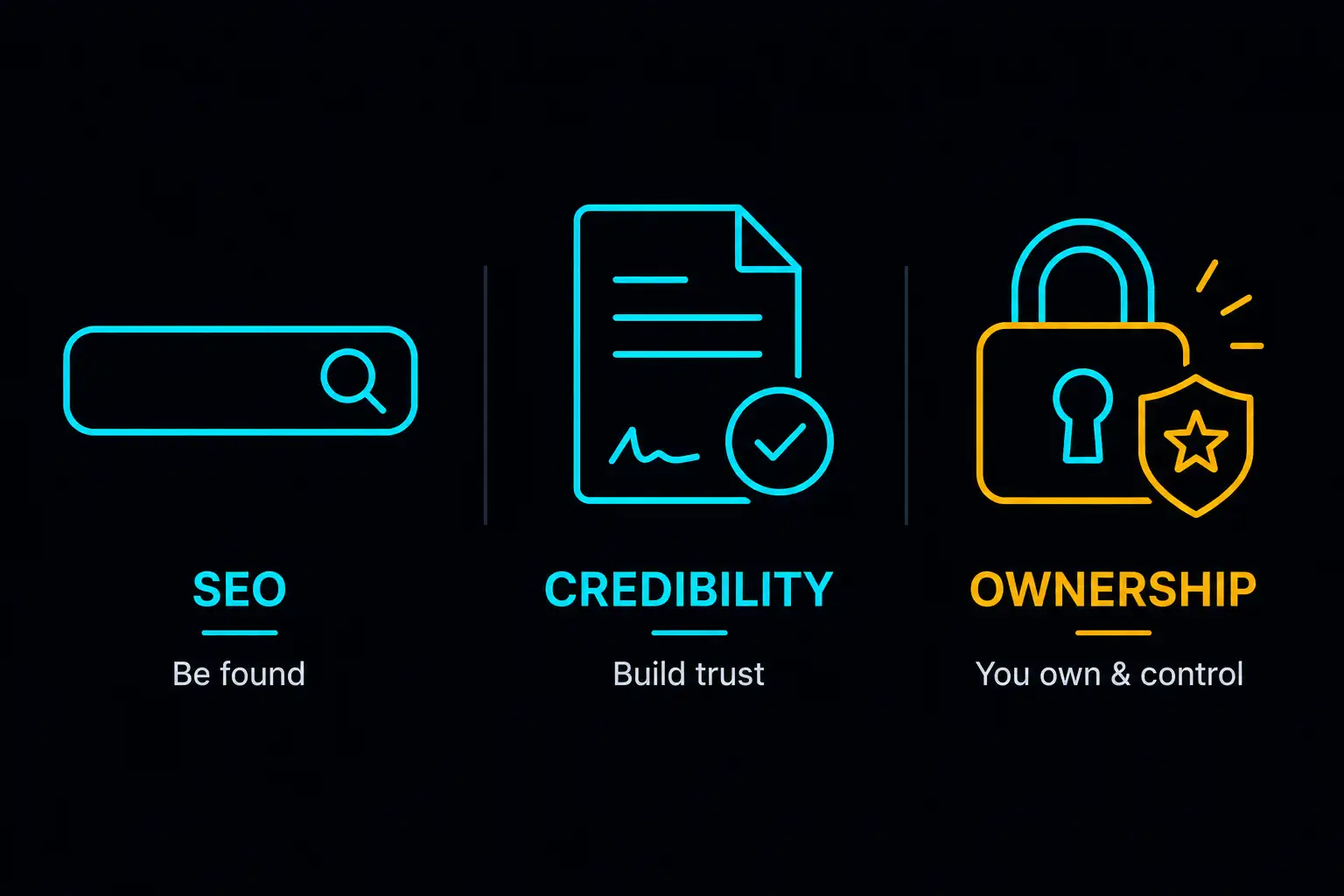
A website is yours. The domain, the content, the leads — they belong to your business.
You cannot control how it appears in Google search
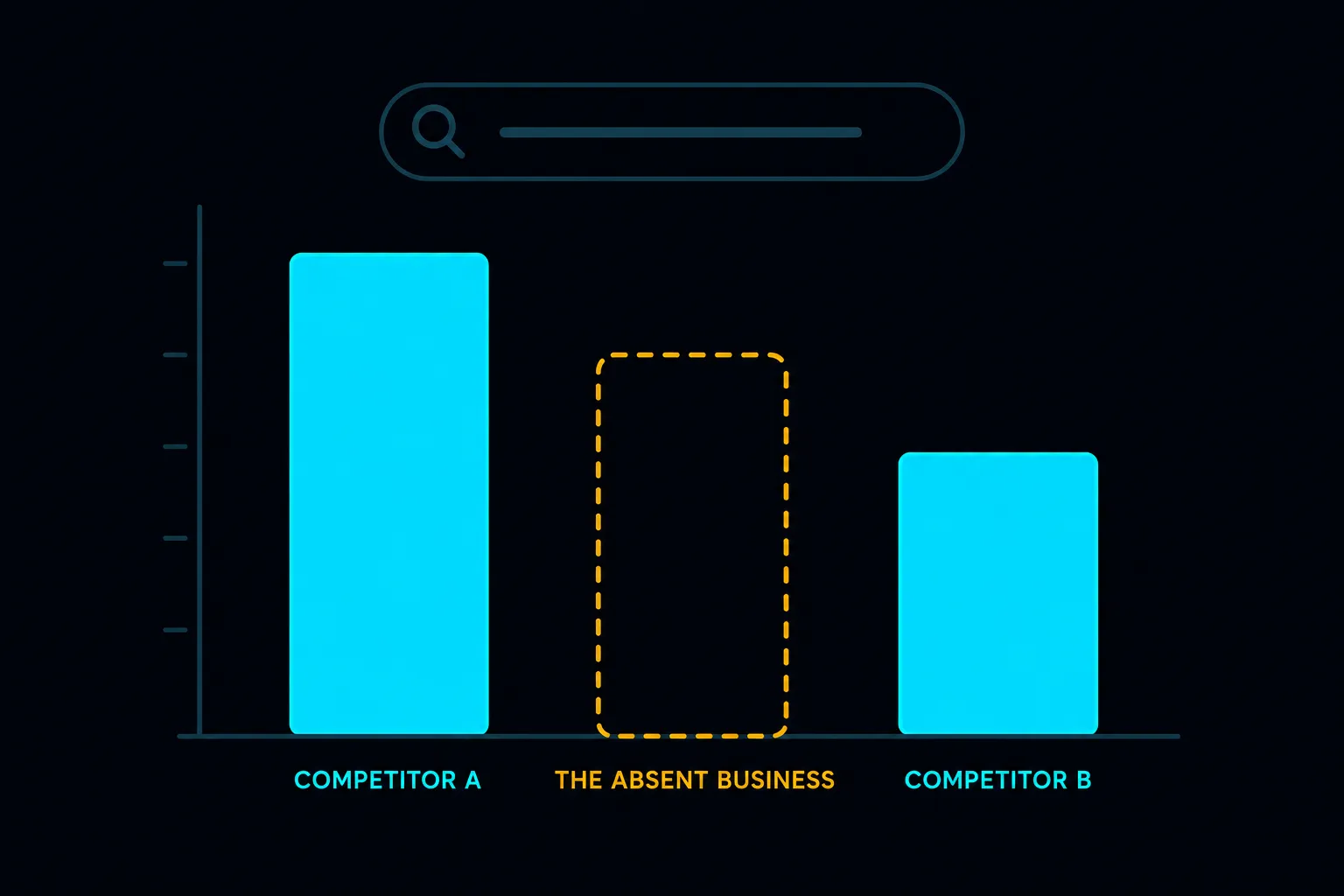
When someone searches "aircond service Petaling Jaya" on Google, a Facebook page rarely appears prominently. Google Search indexes websites. If your only presence is Facebook, you are invisible to the largest source of intent-driven searches in Malaysia.
In our experience, clients who switch from Facebook-only to having a proper website see new enquiries within weeks — from people who had never heard of them on Facebook but found them on Google.
Facebook decides who sees your content
Organic reach on Facebook has dropped significantly over the past five years. Even if you have 2,000 followers, a regular post might reach 200 to 300 of them — and that number keeps falling as Facebook pushes businesses toward paid advertising.
Your website, by contrast, appears in search results based on its relevance — not on how much you paid Facebook that month.
It looks informal to certain clients
This is a real observation from working with SME clients. In industries like HVAC, logistics, construction, and professional services, a Facebook-only presence signals a certain scale — small, informal, possibly unreliable.
A website tells a prospective client: this business has invested in itself. It is serious. It will be around next year.
We have had clients tell us directly that they lost corporate or government contract opportunities because they could not provide a website URL. A Facebook page was not accepted.
The Specific Situations Where You Need a Website
You want to appear in Google searches. If any of your clients would type your service into Google (and most will), you need a website.
You are bidding for contracts or government work. Most procurement processes require a company website. A Facebook page will not be accepted.
You want to run Google Ads or Meta Ads properly. Paid ads need a landing page to send people to. Sending ad traffic to a Facebook page is inefficient and difficult to track.
You want to build long-term credibility. A website is a permanent, professional home for your business. It compounds over time — a Facebook page is just a feed.
You want to rank for local searches. "HVAC contractor Subang", "catering KL", "hardware store Klang" — these searches happen thousands of times a month. A website is how you capture them.
The Situations Where Facebook Alone Is Enough (For Now)
You are in the very early stage — testing a business idea, not yet charging professional rates, and not ready to invest in a website.
Your entire client base comes from referrals and you do not want new enquiries. Some businesses are genuinely at capacity through word-of-mouth alone.
You run a highly visual, community-driven brand where social engagement is the core marketing channel — some fashion, food, or lifestyle businesses fall here.
The Best Setup: Both, Used Correctly
The most effective approach for a Malaysian SME is not Facebook OR a website. It is both, doing different jobs:
| Channel | Primary job |
|---|---|
| Website | Rank in Google, build credibility, receive enquiries 24/7 |
| Facebook page | Stay visible to existing followers, post updates and promotions |
| WhatsApp Business | Convert enquiries into bookings or sales |
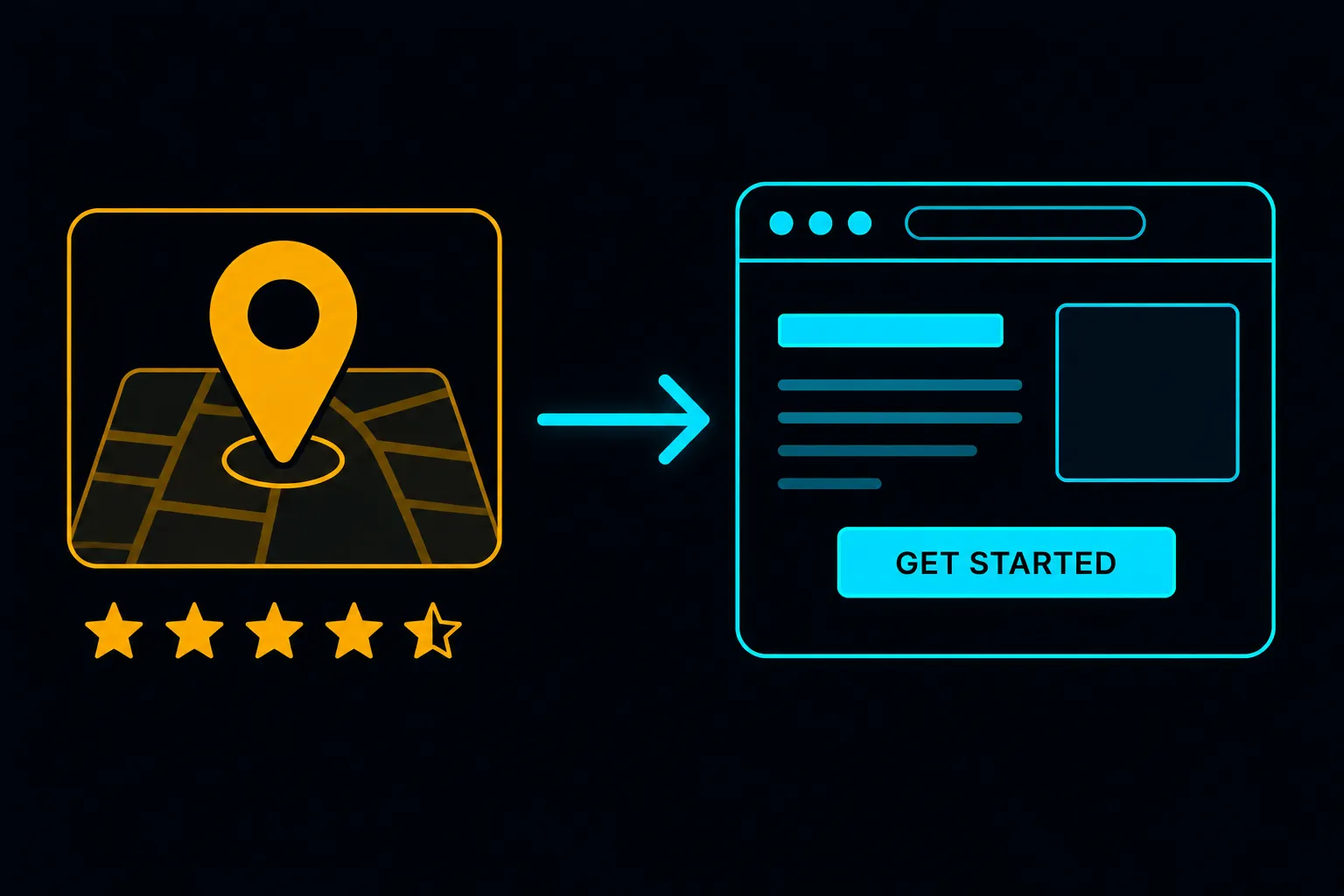
| Google Business Profile | Appear in Google Maps and local search results |
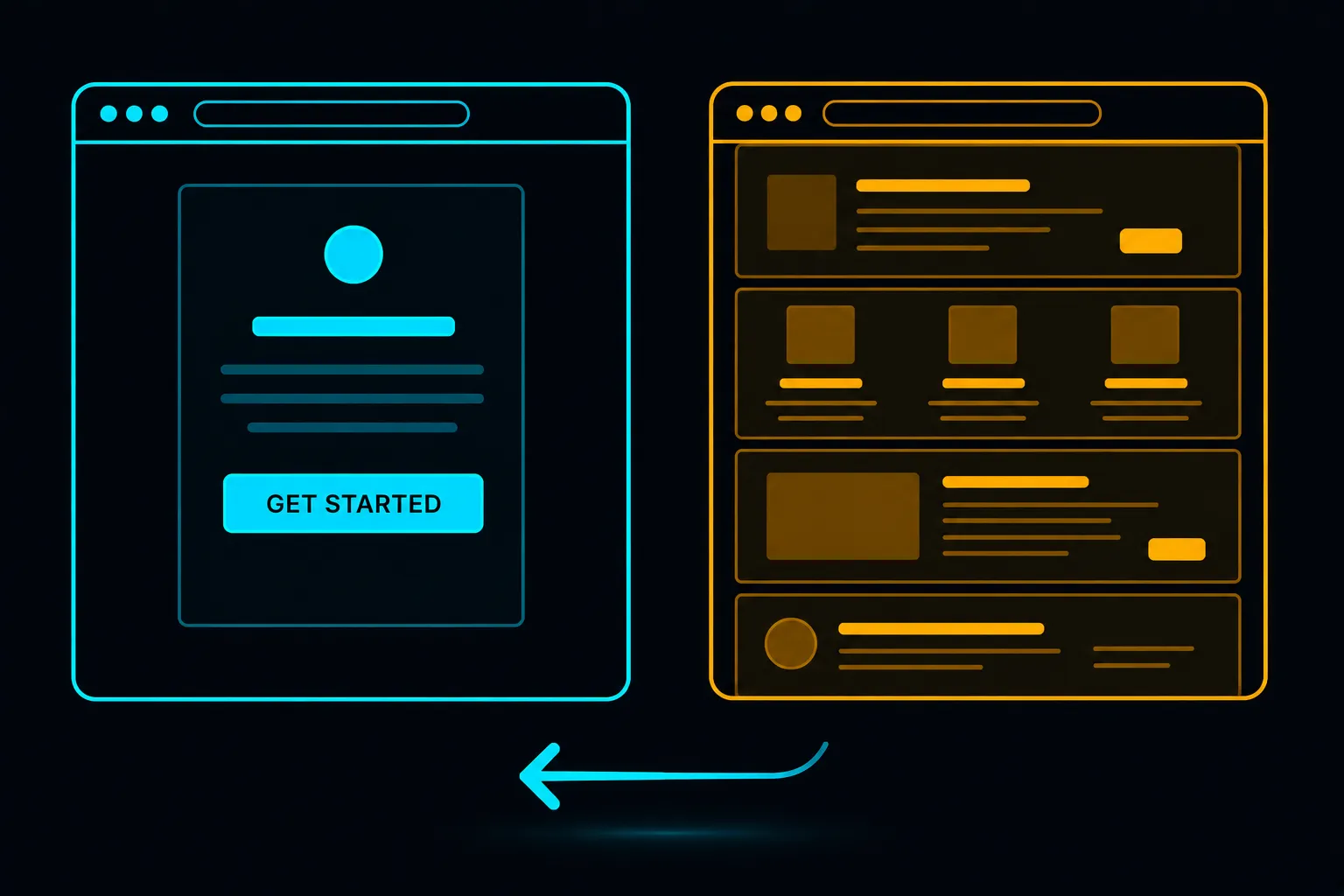
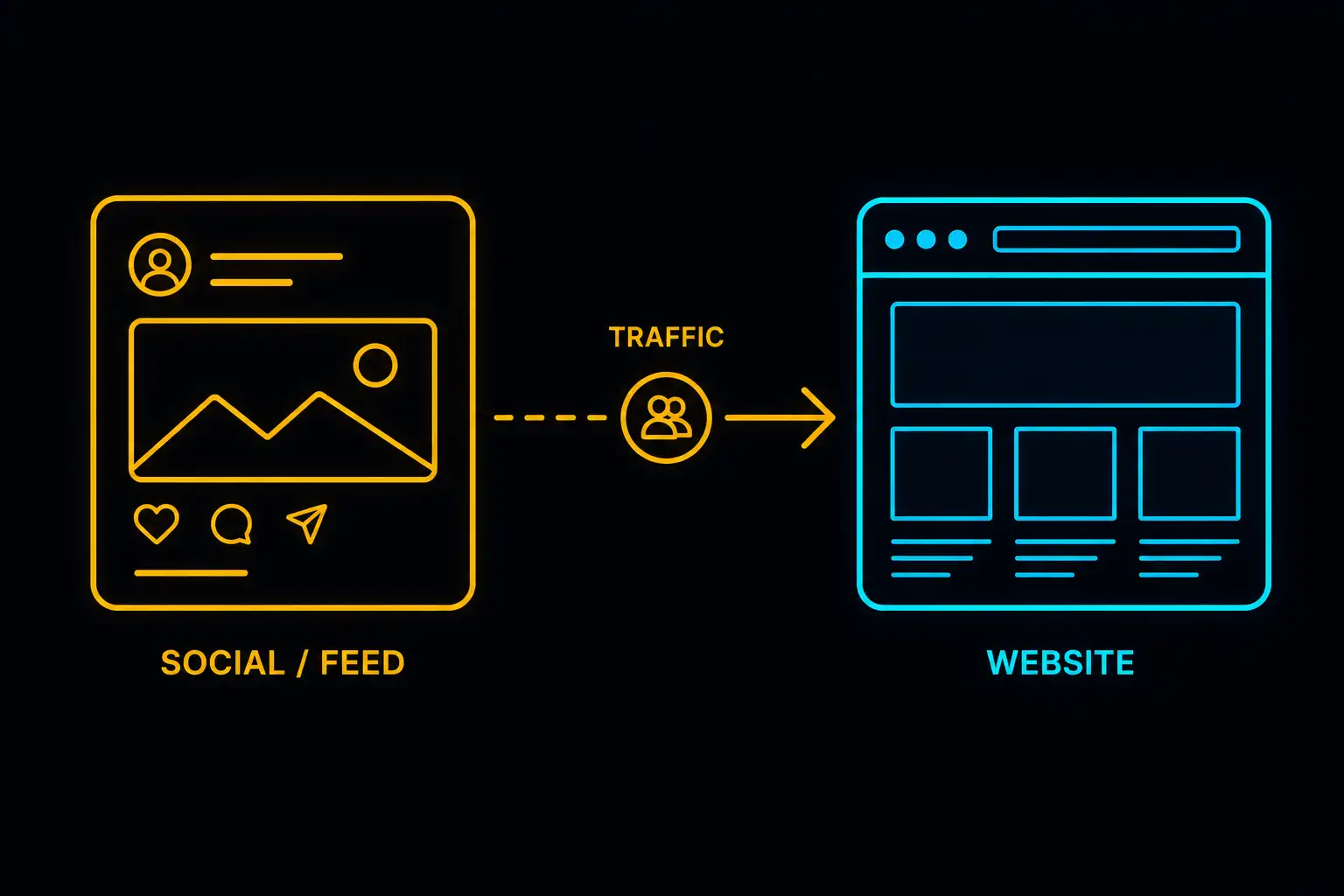
A website does not replace your Facebook page. It handles the things Facebook cannot — mainly, making sure new clients can find you through Google.
How Much Does It Cost to Get a Website?
A professional single-page landing website from Paeveul starts at RM 1,300 (one-time). That covers everything: design, mobile optimisation, WhatsApp integration, and hosting for Year 1. For most Malaysian SMEs, a single-page site is all they need.